









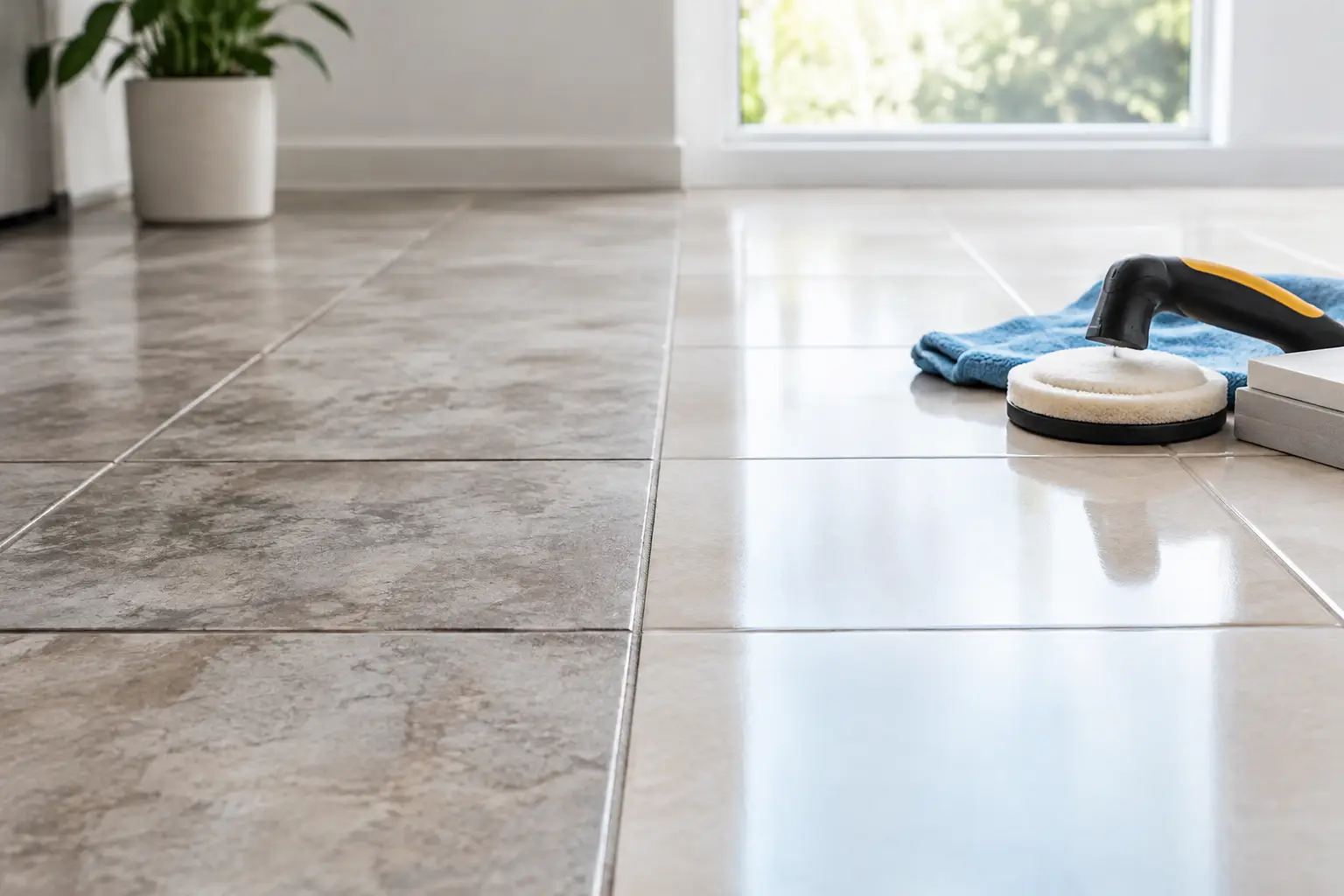
A bathroom floor can look beyond saving long before it actually is. Discolored grout, a few cracked tiles, loose edges, and years of soap residue can make an otherwise solid surface feel dated and neglected. Tile restoration addresses those problems with a practical question in mind: what can be repaired correctly, and what truly needs to be replaced?
For homeowners in Macomb County and Metro Detroit, the right answer often comes down to the condition beneath the tile, not just the way the surface looks. A professional evaluation can distinguish a cosmetic issue from a moisture, installation, or structural problem that deserves a more complete solution.
What Tile Restoration Can Actually Fix
Tile restoration is not one service or one product. It is a process of improving the appearance, performance, and durability of existing tile where the tile assembly is still fundamentally sound. Depending on the room and materials, that may include deep cleaning, grout repair or renewal, replacing individual damaged tiles, resetting loose pieces, repairing caulk joints, or correcting small areas of failed installation.
A backsplash with one cracked glass tile is a good example. If the surrounding tiles are secure and matching material is available, replacing that single piece can restore the finished look without turning a small repair into a full kitchen project. The same approach can work for a chipped porcelain floor tile or a damaged section of shower wall tile.
Grout is another common source of frustration. Grout can absorb stains, develop cracks, or deteriorate at joints where walls and floors meet. In some cases, cleaning and sealing are enough. In others, deteriorated grout needs to be removed and replaced. Caulk joints, especially around tubs, showers, and backsplashes, need a flexible sealant rather than grout because those areas naturally move.
Restoration works best when the tile is stable, the substrate is dry, and the damage is limited. It preserves materials that still have useful life while improving the room’s appearance and making it easier to maintain.
When Tile Restoration Is the Smart Investment
Repair is often the better value when damage is isolated and the installation has held up well over time. Homeowners may choose restoration to address a small number of cracked tiles, renew stained grout, repair a loose edge, or improve an older backsplash that no longer looks clean and finished.
It can also be a sensible choice when a full remodel is planned for a later date. A targeted repair can make a bathroom safer, cleaner, and more presentable while you take time to plan a larger renovation. This is particularly helpful in busy family homes, where a complete bathroom teardown may need to wait for the right schedule and budget.
Matching tile is the main practical consideration. If you have leftover tiles from the original installation, keep them. Even a small box stored in the basement can make a future repair much more straightforward. If no extras are available, an experienced tile professional may be able to locate a close match, pull replacement tile from an inconspicuous area, or recommend a repair approach that looks intentional rather than patched together.
A close match is not always a perfect match. Tile colors, textures, and dye lots change over time, and sun exposure or daily wear can alter the appearance of existing material. Honest guidance matters here. A careful repair may be the right solution, but homeowners should understand when an exact color and pattern match is unlikely.
Signs You May Need Replacement Instead
Tile itself is durable, but it depends on what is behind it. When the underlying structure has failed, surface repairs can only hide a bigger issue for so long. A few warning signs deserve a closer look before investing in restoration.
Widespread loose tiles, hollow sounds across a large area, recurring cracks, or grout that keeps breaking may indicate movement in the subfloor or wall structure. In a shower, persistent mildew, soft drywall, water stains in an adjoining room, or tile that is pulling away from the wall can point to moisture intrusion behind the finished surface.
Older bathrooms sometimes have tile installed over materials that are no longer appropriate for a wet area. If the waterproofing system has failed, replacing a handful of tiles will not correct the source of the problem. The proper repair may require removing the affected wall or floor, rebuilding the substrate, installing the right waterproofing, and then completing a new tile installation.
This is where a full bathroom remodel can be more cost-effective than repeated repairs. It allows hidden issues to be corrected once, while also giving homeowners the opportunity to improve storage, lighting, ventilation, accessibility, and the overall layout. The goal is not to sell more work than a space needs. It is to avoid spending money on a cosmetic fix when the room needs a dependable foundation.
Why Grout Problems Should Not Be Ignored
Grout gets blamed for many tile problems because it is the first thing homeowners see. Darkened grout lines can make clean tile look dirty, while cracks make a finished installation look tired. Yet grout is often a symptom rather than the whole problem.
Surface staining from cooking residue, hard water, soap, or everyday use may respond well to professional cleaning and sealing. Missing or crumbling grout in a localized area can usually be repaired. But cracks that return after repair may mean the tile is moving. In that case, simply adding more grout does not solve the reason it failed.
Shower grout requires special attention. Cement-based grout is not waterproof, and sealers help resist staining but do not replace a properly built waterproofing system behind the tile. If water is reaching the wall cavity or subfloor, the right solution starts with identifying how and where that water is getting in.
The Value of a Detail-Focused Assessment
A proper tile repair begins with inspection, not assumptions. The contractor should look at the type of tile, surrounding grout and caulk, movement in the surface, visible moisture signs, and the location of the damage. A cracked tile near a doorway has different possible causes than a cracked tile in the center of a shower wall.
Material also matters. Porcelain, ceramic, natural stone, glass, and mosaic tile each require different handling. Glass tile, for example, can show adhesive through the face and may require particular setting materials. Natural stone can be sensitive to harsh cleaners and needs the right care to avoid etching or discoloration. Fine details such as joint width, trim pieces, transitions, and edge finishing determine whether a repair blends in or stands out.
Clean work practices matter just as much in a small repair as they do in a full renovation. Protecting nearby finishes, controlling dust, removing debris, and leaving the space orderly are part of respecting the home. Renovation Innovations approaches corrective tile work with the same care used for larger bathroom and kitchen renovations, because a small detail can affect the way an entire room looks.
How to Protect Restored Tile
Once repairs are complete, regular maintenance helps protect the investment. Use cleaners that are appropriate for the tile and grout rather than harsh acids or abrasive products that can damage finishes. Wipe up standing water around showers and tubs, and maintain flexible caulk joints when they begin to separate or discolor.
Avoid assuming that more sealer is always better. The correct product and schedule depend on the grout type, tile material, and location. A busy kitchen backsplash has different needs than a natural stone shower or an entry floor exposed to Michigan snow and road salt.
If new cracks, loose tiles, or moisture signs appear, address them early. Small issues are usually easier to diagnose before water or movement affects a larger section of the installation.
A well-planned repair can give a kitchen or bathroom years of additional life. When restoration is no longer the responsible choice, a clear plan for replacement gives you the chance to build a surface that looks right, functions well, and holds up to everyday use.
