









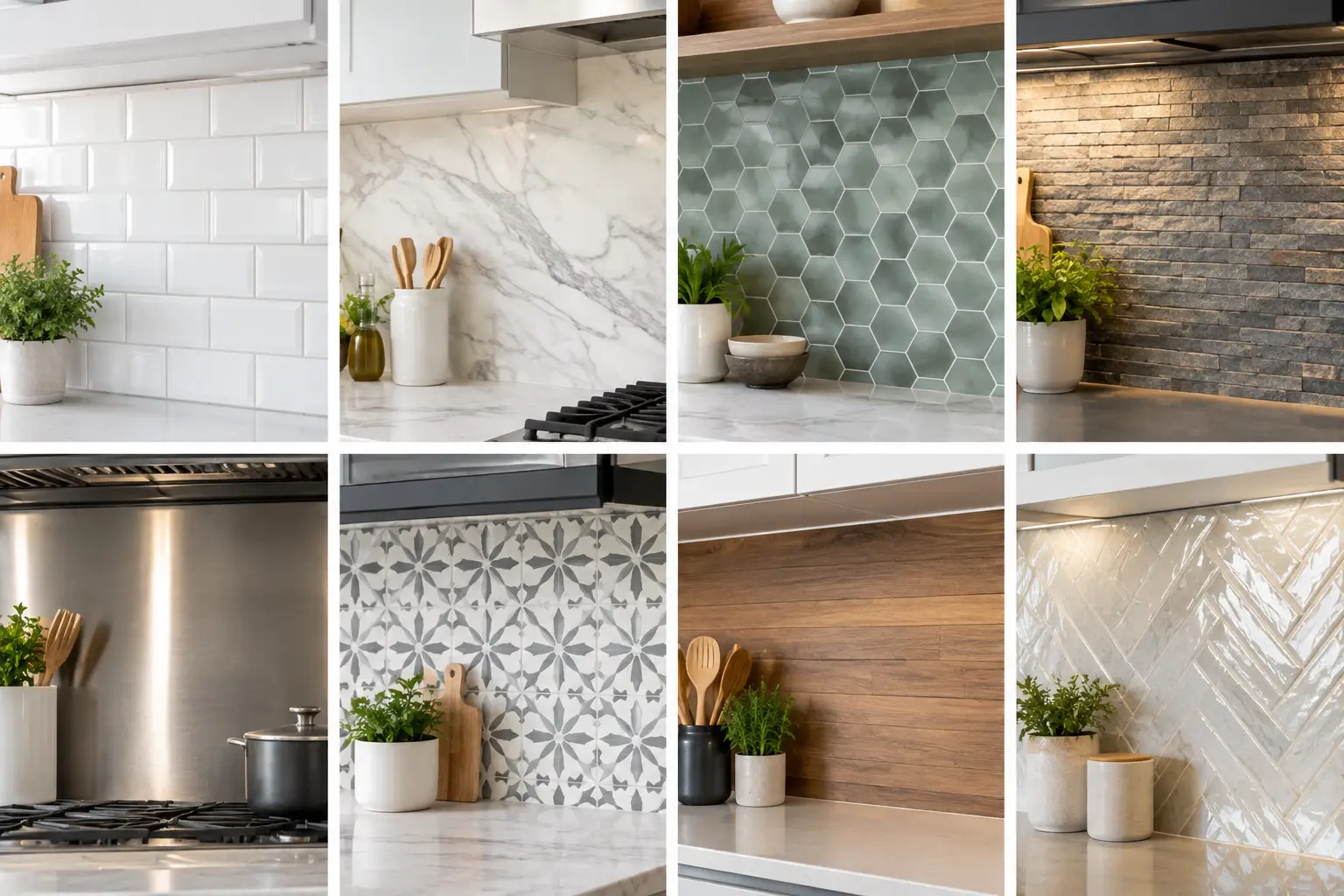
A backsplash has a demanding job. It needs to protect the wall behind your range and sink from moisture, grease, and everyday messes while tying cabinets, countertops, lighting, and hardware into one finished design. The best backsplash materials for kitchens are not always the most expensive or the most dramatic. They are the materials that fit how you cook, clean, and live in the space.
For homeowners planning a kitchen update in Macomb County or Metro Detroit, the right choice usually comes down to four things: maintenance, durability, budget, and the level of visual detail you want. A beautiful material can still be the wrong fit if it stains easily in a busy family kitchen or creates a cleaning chore you will resent six months after the renovation.
How to Choose the Best Backsplash Materials for Kitchens
Start with the countertop. A countertop with strong movement, such as heavily veined quartzite or dramatic granite, often benefits from a quieter backsplash. If the countertop is solid or understated, the backsplash can carry more of the pattern, color, or texture.
Next, think honestly about maintenance. A wall behind a range sees more than occasional splatters, especially if you cook often. Smooth, nonporous surfaces are easier to wipe down. Materials with deep texture, many grout joints, or a porous finish can still look excellent, but they require more deliberate cleaning and sometimes periodic sealing.
Installation matters as much as the material. Straight layouts, balanced cuts at cabinets, clean outlets, and properly finished edges are the details that make a backsplash look intentional. Even premium tile can feel unfinished when grout lines wander or the layout is not planned around focal points.
Ceramic and Porcelain Tile
Ceramic and porcelain tile are the most versatile choices for a reason. They are available in nearly every color, shape, size, and finish, from classic 3-by-6 subway tile to large-format panels and handmade-look squares. They also work with traditional, transitional, modern, and contemporary kitchen designs.
Porcelain is especially durable and dense, making it a practical choice for hardworking kitchens. It resists water and stains well, and most everyday grease marks clean easily with a mild household cleaner. Ceramic tile is also a dependable option, often at a lower material cost, though its selection and durability can vary by product.
The trade-off is grout. Small mosaics and detailed patterns create many joints to maintain. A larger tile reduces grout lines and can make a compact kitchen feel calmer and more open. For homeowners who want a tile backsplash with minimal upkeep, a quality stain-resistant grout and a simple, larger-format tile are a smart combination.
Subway Tile Is Flexible, Not Automatically Basic
Subway tile remains popular because it can be made to look very different depending on the installation. A traditional running bond feels familiar and timeless. A stacked pattern reads cleaner and more modern. Vertical installation can visually lift a low ceiling, while a herringbone feature behind the range adds detail without overwhelming the room.
The finish also changes the result. Glossy white subway tile reflects light and is easy to clean. Matte tile offers a softer, more current look, but textured matte finishes may show cooking residue more readily near the stove.
Natural Stone Tile
Marble, travertine, slate, limestone, and other natural stones bring depth that manufactured materials cannot fully duplicate. Each piece has natural variation, which can make a kitchen feel warm, custom, and layered. Stone is especially fitting in homes with wood cabinetry, earthy color palettes, or classic architectural details.
Marble is often selected for its elegant veining, particularly when paired with marble-look or natural stone countertops. But it is a porous material that may need sealing, and acidic foods or cleaners can etch some finishes. Travertine and limestone also need thoughtful care. Their natural pits and texture are part of the appeal, but they can collect grease if installed behind a frequently used range.
Natural stone can be an excellent backsplash material when homeowners understand the maintenance commitment. It is best for people who appreciate patina and variation rather than expecting a perfectly uniform surface forever. A professional installer can help identify appropriate sealing and grout choices before the work begins.
Glass Tile
Glass tile brings light into a kitchen. Its reflective surface can brighten a darker work area, complement under-cabinet lighting, and add depth to a smaller room. It is available in crisp solid colors, translucent finishes, mosaics, and elongated modern shapes.
Because glass is nonporous, the surface itself is easy to wipe clean. The installation, however, calls for precision. Glass can show adhesive shadows, uneven substrate conditions, and poorly aligned cuts more clearly than many ceramic tiles. The correct setting materials, careful surface preparation, and clean finishing are essential to a polished result.
Glass mosaics can be striking in a focal area, but they come with more grout joints. For a kitchen used heavily for cooking, consider using glass in a less exposed section or choosing a larger glass tile with fewer seams.
Quartz, Solid-Surface, and Full-Height Slab Backsplashes
Using the same quartz or solid-surface material from the countertop as a full-height backsplash creates a clean, tailored appearance. It is particularly effective in modern kitchens, where fewer visual breaks can make the room feel larger. With little to no grout, cleanup is simple.
A full-height slab is also a strong choice behind a cooktop, where grease splatter is common. The uninterrupted surface is practical and visually substantial. If your countertop has bold veining, extending it up the wall can create a dramatic focal point without introducing a competing tile pattern.
Cost is the main consideration. Fabrication, templating, material waste, and installation can make slab backsplashes more expensive than standard tile. Some homeowners balance the budget by using a slab behind the range and a coordinating tile elsewhere, though the transition should be planned carefully so it looks deliberate.
Stainless Steel and Metal Tile
Stainless steel is a hardworking option for homeowners who want a professional kitchen feel. It is heat-resistant, nonporous, and easy to clean. A single stainless panel behind the range is particularly practical, while metal tiles can add a more decorative industrial or contemporary note.
The downside is that stainless steel can show fingerprints, water spots, and scratches. It also has a cooler visual character than tile or stone. Brushed finishes tend to hide everyday marks better than highly polished ones.
Other metal tiles, including copper and zinc, develop patina over time. That changing finish can be beautiful, but it is not for homeowners looking for a surface that stays exactly the same year after year.
Peel-and-Stick and Budget Materials
Peel-and-stick backsplash products can be useful for a short-term refresh, a rental property where permanent changes are limited, or a low-cost project with modest expectations. Quality varies widely. Heat, moisture, wall texture, and preparation all affect how well these products adhere.
For a long-term kitchen renovation, a professionally installed tile, slab, or panel system is usually the more durable investment. It protects the wall properly, holds up to routine cleaning, and adds a finished quality that supports the value of the renovation.
Design Details That Make a Backsplash Look Finished
Material selection is only the beginning. Before installation, the layout should account for cabinet height, window trim, outlet placement, range hoods, and visible end walls. A small adjustment to where a pattern starts can prevent awkward slivers of tile at an edge or an off-center focal point behind the range.
Grout color deserves equal attention. Matching grout gives a quieter, more continuous appearance. Contrasting grout highlights the shape and pattern of the tile but also draws attention to every line, so careful installation is critical. For most busy kitchens, a midtone grout is more forgiving than bright white.
At Renovation Innovations, backsplash planning is treated as part of the kitchen’s overall design, not an afterthought. The goal is a surface that looks precise on installation day and remains practical after years of meals, gatherings, and everyday use.
The right backsplash should make your kitchen easier to live with and more satisfying to come home to. Choose a material you genuinely like, then make sure its maintenance needs and installation details fit the way your household uses the room.
