







A shower can look exceptional on installation day and still become the hardest part of the bathroom to keep clean six months later. For homeowners planning a remodel, the best low maintenance shower surfaces are not simply the ones with the fewest grout lines. They are the materials that suit your cleaning habits, water conditions, budget, and the level of craftsmanship behind the installation.
In Macomb County and across Metro Detroit, mineral buildup, soap residue, and everyday family use can quickly expose weak material choices or poorly planned details. A well-built shower should be easy to live with, not another surface that needs constant scrubbing, sealing, or repair. Here is how the leading options compare and where each one makes sense.
What Makes a Shower Surface Low Maintenance?
A low-maintenance shower surface resists water absorption, has minimal seams, cleans without harsh chemicals, and does not depend on frequent sealing to stay protected. Surface texture matters, too. A highly textured finish may offer more traction underfoot, but it can hold onto soap film more readily than a smoother finish.
The material is only part of the decision. Grout color, tile size, drain placement, shower ventilation, and correct waterproofing all affect how a shower performs over time. Even the best material can become frustrating if it is installed over an improper substrate or finished with details that trap water.
For most homeowners, the goal is a shower that looks polished while requiring a simple rinse after use and routine cleaning once a week. That usually points toward nonporous panels, porcelain tile, or carefully selected engineered stone products.
The Best Low Maintenance Shower Surfaces Compared
Solid surface panels
Solid surface shower walls are among the easiest options to own. These panels are made from durable composite materials and are typically installed in large sections, which means far fewer joints than a tiled shower. With little or no grout to maintain, daily cleaning is straightforward: use a nonabrasive cleaner and soft cloth, then rinse well.
Solid surface offers a clean, tailored appearance and comes in finishes that resemble stone, concrete, or soft neutral patterns. It is an especially practical choice for homeowners who want a modern shower without the cleaning commitment of natural stone or small-format tile.
The trade-off is design flexibility. Panels have fewer layout possibilities than tile, and seams may still be visible depending on the product and shower configuration. Professional measuring and installation are essential because wall conditions, corners, niches, and plumbing penetrations need to fit precisely.
Large-format porcelain tile
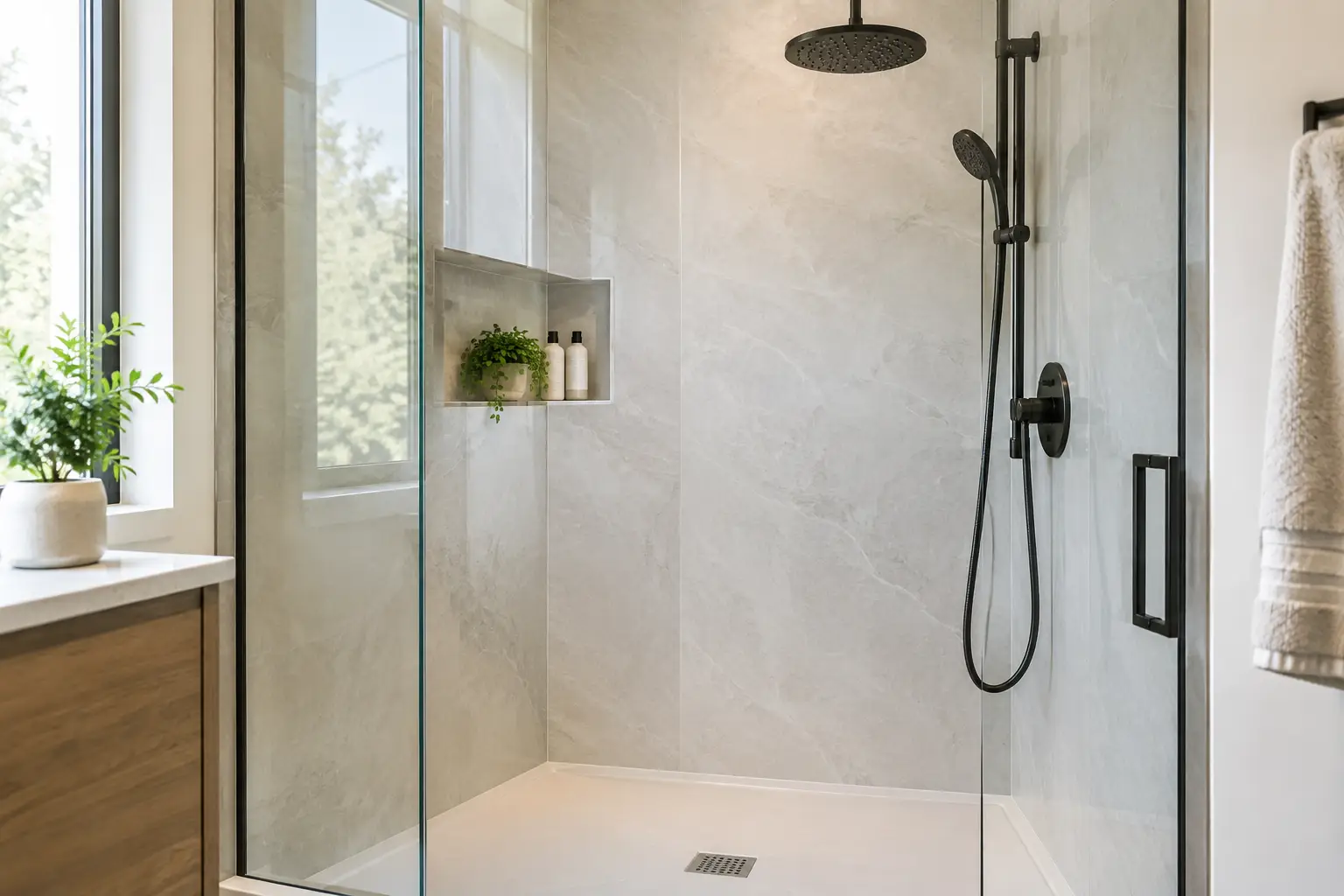
For a custom bathroom that balances visual impact with practical upkeep, large-format porcelain tile is often the strongest choice. Porcelain is dense, highly water-resistant, and available in styles ranging from quiet marble looks to warm limestone, concrete, and wood-grain designs. Larger tiles also mean fewer grout joints, which makes a meaningful difference when it is time to clean.
A porcelain shower can be designed around nearly any layout, including built-in niches, benches, accent walls, and curbless entries. Unlike many natural stones, quality porcelain does not require routine sealing. It holds up well to frequent use and is a smart fit for a primary bath, family bath, or long-term home update.
The details make the difference. Choose a grout color that is close to the tile rather than bright white against a dark surface, unless you are comfortable with more visible cleaning. A large-format wall tile paired with a smaller, slip-resistant porcelain mosaic on the shower floor is a common and practical combination. The smaller floor pieces allow the installer to create the proper slope toward the drain without compromising traction.
Acrylic or fiberglass shower surrounds
Acrylic and fiberglass surrounds remain a sensible option when speed, budget, and easy cleaning are the priority. Their smooth, nonporous surfaces wipe down easily, and prefabricated units have very few seams. They can work well in secondary bathrooms, rental properties, or straightforward tub-to-shower conversions.
Acrylic is generally more durable and color-stable than lower-cost fiberglass, though quality varies by manufacturer. Both materials can scratch or dull if cleaned with abrasive powders, stiff brushes, or harsh solvents. They also offer less of the custom, permanent feel many homeowners want in a major primary-bath renovation.
These units perform best when installed on properly prepared, level walls and floors. A surround that flexes, has unsupported areas, or is poorly sealed at the edges can develop problems that have nothing to do with how easy the material is to clean.
Cultured marble and engineered stone panels
Cultured marble and other engineered stone wall systems offer a more substantial appearance than acrylic while retaining many of the maintenance advantages of large panels. The smooth, glossy surfaces have limited seams and can create a refined, traditional look. Matching shower bases, thresholds, and wall panels can also give the room a coordinated finish.
These materials are generally easy to wipe clean, but they require the right cleaning products. Abrasives and strong acidic cleaners can damage the gel coat or finish. If the surface becomes scratched or worn, repairs may be possible, but the process depends on the specific product.
This category is a good middle ground for homeowners who want a polished stone-like shower without the maintenance demands of natural marble. It is less ideal for a highly customized layout with multiple intricate niches, angled walls, or complex tile transitions.
Natural stone tile
Natural stone has unmatched variation and character, but it is not usually the best answer for a homeowner seeking minimal upkeep. Marble, travertine, slate, and limestone can all be beautiful in a shower, particularly in a carefully designed luxury bath. They also need more attention.
Most natural stone requires sealing, and some varieties are more vulnerable to etching, discoloration, and mineral deposits. Stone can also have natural pits, veins, or texture that hold moisture and residue. Maintenance does not mean stone is a bad choice. It means the homeowner should choose it for its look and understand the care it needs.
If you love natural stone, use it thoughtfully. A stone accent wall outside the direct spray area, for example, may deliver the character you want while limiting the cleaning burden. Material selection should be based on the specific stone, finish, and shower design, not just a showroom sample.
Shower Floors Need Their Own Material Plan
The easiest shower wall surface is not always the safest floor surface. Large, smooth tiles can look clean and contemporary, but they may become slippery when wet. For shower floors, smaller porcelain mosaics are often the most reliable low-maintenance choice because the additional grout lines provide traction and allow proper drainage slopes.
That does mean more grout than a large-tile floor. Choosing a high-quality grout and a practical color helps limit staining and makes routine care easier. A textured porcelain mosaic can also work well, but avoid deeply cleft or rough materials that make residue difficult to remove.
A properly built shower floor should direct water cleanly to the drain. Standing water is not a material problem alone – it is often a slope, drain, or installation issue. That is why waterproofing, substrate preparation, and tile-setting accuracy matter just as much as the finish you see.
Details That Keep Any Shower Easier to Clean
Material selection sets the baseline, but smart design decisions reduce maintenance further. A recessed niche keeps bottles off the floor and eliminates the need for a hanging caddy that collects residue. A frameless glass enclosure creates an open appearance, although glass will still need regular squeegeeing in areas with hard water.
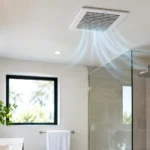
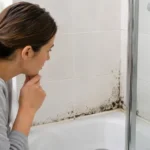
Use a high-quality exhaust fan sized for the room and run it after showers to reduce lingering moisture. Consider a handheld showerhead for easier rinsing of walls and corners. Simple transitions, properly caulked change-of-plane joints, and a drain placed for efficient slope also make a shower easier to maintain for years.
Avoid making decisions based on a single display board. Bring home samples when possible, view them under your bathroom lighting, and think about how the color and texture will hide or show water spots. Light matte porcelain may disguise residue better than glossy black tile, even though both can be durable surfaces.
Choosing the Right Surface for Your Bathroom
If low maintenance is the clear priority, solid surface panels and acrylic surrounds are the simplest choices. If you want a custom-built shower with strong durability and broad design options, large-format porcelain tile is often the best long-term value. Cultured marble or engineered stone panels offer a tailored middle option, while natural stone is best reserved for homeowners who are willing to provide more regular care.
The right answer depends on how the bathroom will be used. A busy family bath may benefit from porcelain walls and a durable mosaic floor. A guest bath may be well served by an easy-clean prefabricated surround. A primary suite may call for a custom porcelain shower that combines a spa-like appearance with practical, lasting materials.
A successful shower remodel starts with a clear plan for both the finished look and the everyday reality of cleaning it. Renovation Innovations helps homeowners turn those priorities into carefully installed bathrooms with material choices, waterproofing, and finish details that are built to hold up. Choose a surface you will be happy to see every morning – and just as happy to clean on Saturday.
