









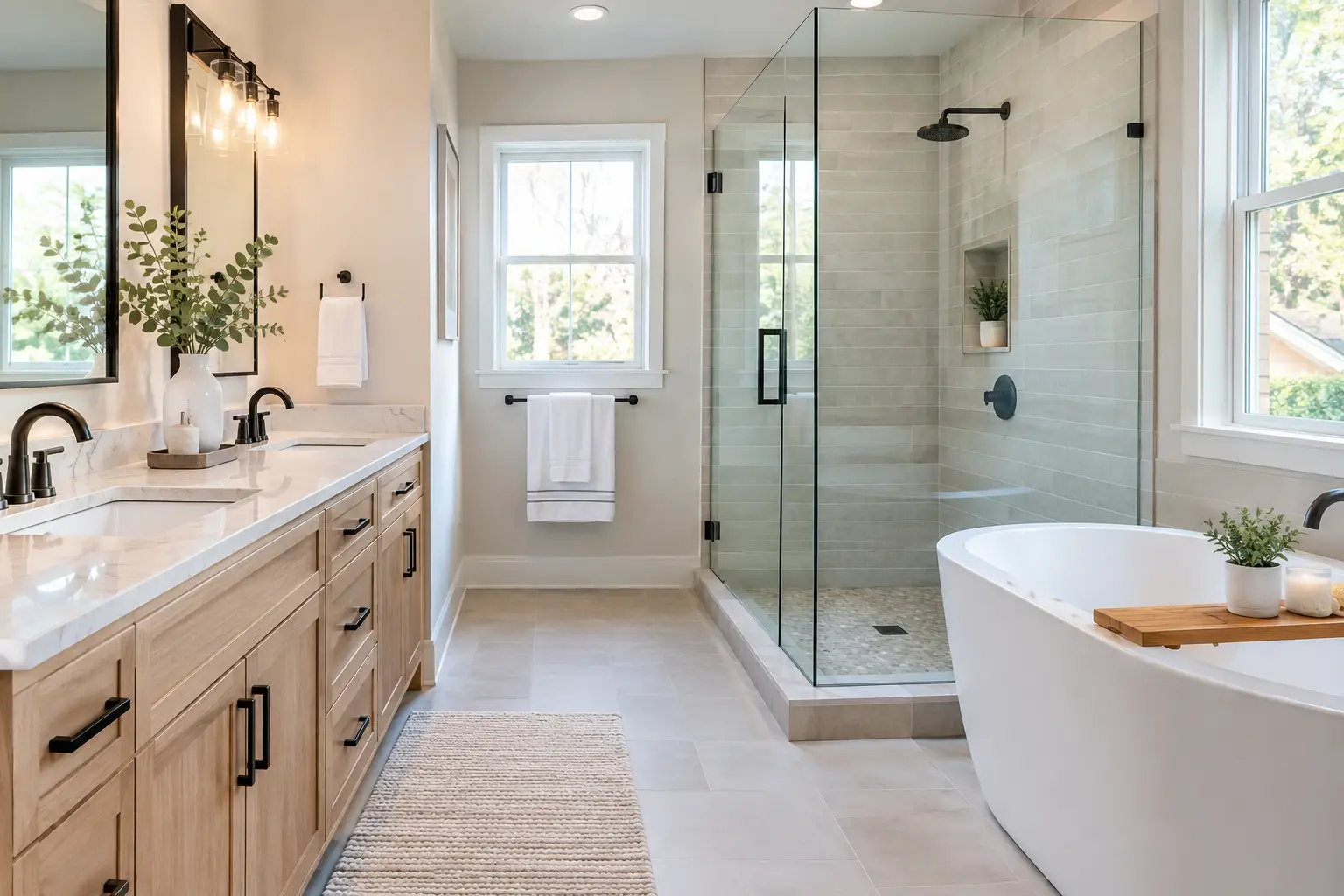
A bathroom can turn a buyer away before they notice the rest of the house. Grout stains, a crowded vanity, poor lighting, or a shower that feels worn out all signal future work. The top bathroom upgrades for resale address those visible concerns while making the room easier to use every day. For homeowners in Macomb County and Metro Detroit, the best choices are rarely the flashiest ones. They are clean, durable, well-planned improvements that help a bathroom feel cared for from the moment someone walks in.
A resale-focused remodel does not mean creating a room with no personality. It means putting money where buyers will see quality, appreciate function, and feel confident that the work was completed correctly. The right scope depends on your bathroom’s condition, your home’s price range, and how soon you expect to sell.
Start With What Buyers Can See and Feel
Before selecting tile or fixtures, look at the room as a buyer would. Does the layout make sense? Is there enough light at the mirror? Are the surfaces in good repair? Does the shower feel clean, solid, and current? A polished bathroom is built on these fundamentals, not on one trendy faucet or dramatic paint color.
Water damage, loose tile, cracked grout, failing caulk, and soft flooring should be corrected before cosmetic improvements. These issues can raise questions during a showing and may become inspection concerns later. A smaller repair project can have real resale value when it restores a bathroom’s condition and prevents a visible problem from defining the space.
If the room needs more than repair, a full remodel can be worthwhile. The key is matching the investment to the home. An oversized luxury renovation may not return its full cost in a modest starter home, while an outdated primary bath can hold back an otherwise well-maintained higher-value property. A knowledgeable contractor can help identify the scope that makes sense before materials are ordered.
Top Bathroom Upgrades for Resale Buyers Notice
A well-built shower or tub area
The bathing area is often the visual anchor of the bathroom. Replacing a worn fiberglass surround, dated wall tile, or a stained tub can immediately change how the entire room is perceived. A clean tub-shower combination remains a practical choice for many family homes, especially when it is the only tub in the house. Removing every bathtub can limit appeal for buyers with young children.
In a primary bathroom or a home with another tub available, a walk-in shower can be a strong upgrade. A low-threshold entry, properly sloped shower floor, sturdy glass enclosure, recessed niche, and easy-to-clean tile are features that combine a more current look with everyday usability. The workmanship behind the walls matters as much as the finish. Proper waterproofing, careful tile layout, and clean transitions protect the investment and create the finished appearance buyers expect.
A functional vanity with useful storage
A vanity should make the morning routine easier, not create another frustration. An undersized sink cabinet, poor drawer access, or limited counter space can make even a nice-looking bathroom feel cramped. Replacing a dated vanity with a properly sized cabinet is often one of the most effective updates for both resale and daily living.
For shared bathrooms, a double vanity can be appealing when the layout has room for it without squeezing the toilet or shower. In a smaller bath, a single vanity with drawers, a medicine cabinet, or thoughtful vertical storage may work better. Buyers notice function quickly, so do not sacrifice usable storage merely to fit a larger cabinet.
Neutral cabinet colors, durable countertop materials, and quality hardware tend to have broad appeal. White, warm wood tones, soft gray, and muted blue-gray finishes generally feel more flexible than highly specific colors. The goal is a room future buyers can picture making their own.
Updated lighting at the mirror and overhead
Bathrooms with one ceiling fixture often feel dark, especially around the vanity. Better lighting is one of the most practical upgrades because it improves grooming, cleaning, and the perceived size of the room. Pair even overhead illumination with vanity lighting that reduces shadows on the face.
Choose fixtures that fit the scale and style of the bathroom instead of treating them as an afterthought. A well-proportioned light above or beside the mirror can make an existing vanity look more finished. For resale, warm-to-neutral light output and straightforward fixture finishes are usually safer than highly decorative options that may date quickly.
Tile that looks intentional, not busy
Tile is where detail-focused installation makes the difference between an upgrade and a costly distraction. Buyers may not know the technical terms, but they can see uneven cuts, inconsistent grout lines, cracked corners, poorly placed patterns, and tile that does not align with the room’s features.
Large-format porcelain tile, classic ceramic wall tile, natural-look finishes, and simple mosaics can all work well when selected for the space. A restrained tile plan often has the strongest staying power: use one main tile, then add interest through a niche, shower floor, accent wall, or vanity backsplash. This approach feels designed without overwhelming a future buyer.
Grout selection deserves attention, too. Very light grout can show dirt in high-use areas, while very dark grout may emphasize alignment issues or create a heavy look in a small room. Mid-tone grout is frequently a practical compromise. Whatever the color, it should be installed and sealed where appropriate, with clean caulked changes of plane to allow for normal movement.
Ventilation and moisture control
A beautiful bathroom will not stay beautiful if humidity has nowhere to go. An appropriately sized exhaust fan helps protect paint, drywall, cabinetry, caulk, and grout from repeated moisture exposure. It also makes the bathroom more comfortable for the next owner.
This is not a glamorous line item, but it is a smart one. If a bathroom regularly fogs up, smells musty, or shows peeling paint, improving ventilation should be part of the renovation plan. Buyers may not ask about the fan during a showing, but they will notice the effects of poor moisture control.
Upgrades That Support Resale Without Overbuilding
New faucets, a modern toilet, a framed mirror, fresh paint, and updated towel bars can tie a room together when the major elements are still in good condition. These details work best after the foundational issues are handled. Replacing accessories will not overcome a failing shower surround or damaged floor, but it can complete a bathroom that is otherwise sound.
Accessibility-minded choices can also broaden appeal without making the room feel institutional. A comfort-height toilet, lever-handle faucet, handheld shower, secure grab-bar blocking installed behind the wall, and a low shower threshold are practical features for many households. Not every home needs every feature, but planning for flexibility can be a wise move during a larger remodel.
Avoid chasing every trend. Freestanding tubs, black fixtures, bold wallpaper, and dramatic patterned tile can be beautiful in the right home, but they are more dependent on buyer taste. If you love a distinctive look and expect to enjoy the bathroom for years, it may be the right choice. If a sale is close, prioritize timeless materials, good light, and finishes that support the home’s overall style.
Plan the Work Around the Details That Protect Value
The highest-value bathroom improvements are not only about selecting attractive products. They require accurate measurements, a workable layout, proper preparation, and disciplined installation. That is particularly true with plumbing changes, shower waterproofing, tile, and drywall repair. Cutting corners behind finished surfaces can create expensive problems long after the room photographs well.
A clear plan also helps control cost. Decide early whether you are keeping the existing layout, moving plumbing, adding storage, or converting a tub to a shower. Keeping plumbing in place can reduce labor and complexity, but moving it may be justified if the current layout is truly awkward. There is no universal answer. The best decision balances your budget, the home’s likely buyer, and the daily improvement you will receive before selling.
At Renovation Innovations, bathroom projects are approached with that balance in mind: practical design planning, careful tile work, and a clean, professional jobsite from the first repair to the final detail.
Before you choose finishes, stand in the doorway and ask one useful question: would a buyer see a finished bathroom or a list of projects? Invest first in the work that lets them see a clean, comfortable room they can use on day one.
